
What Is Morton’s Neuroma?

Morton’s Neuroma—otherwise known as Morton’s metatarsalgia, Morton’s disease and Morton’s neuralgia, is a swollen, non-cancerous growth of nerve tissue that usually clusters between the third and fourth toes. This can cause a good deal of pain, particularly in the ball of the foot. Other symptoms include a burning, tingling, or numbness in the toes, pain while curling the toes, and the sensation of having a pebble in the bottom of your shoe by the ball of the foot. Possible causes of this ailment may consist of wearing high heels regularly and participating in certain sporting activities for extended periods of time. If you are experiencing this kind of pain in the ball of your foot, a podiatrist can examine you and run a series of tests to determine your nerve response and foot function. Treatment methods range from orthotics to injection therapies, and in severe cases surgery may be necessary. It is suggested that you visit a podiatrist as soon as possible if you experience any of the symptoms mentioned.

Morton’s neuroma is a very uncomfortable condition to live with. If you think you have Morton’s neuroma, contact Gerald Erskine, DPM of Seneca Family Footcare. Our doctor will attend to all of your foot care needs and answer any of your related questions.  

Morton’s Neuroma

Morton's neuroma is a painful foot condition that commonly affects the areas between the second and third or third and fourth toe, although other areas of the foot are also susceptible. Morton’s neuroma is caused by an inflamed nerve in the foot that is being squeezed and aggravated by surrounding bones.

What Increases the Chances of Having Morton’s Neuroma?

  • Ill-fitting high heels or shoes that add pressure to the toe or foot
  • Jogging, running or any sport that involves constant impact to the foot
  • Flat feet, bunions, and any other foot deformities

Morton’s neuroma is a very treatable condition. Orthotics and shoe inserts can often be used to alleviate the pain on the forefront of the feet. In more severe cases, corticosteroids can also be prescribed. In order to figure out the best treatment for your neuroma, it’s recommended to seek the care of a podiatrist who can diagnose your condition and provide different treatment options.

If you have any questions, please feel free to contact our office located in Ronceverte, WV . We offer the newest diagnostic and treatment technologies for all your foot care needs.

Read more about What is Morton's Neuroma?

Toe Pain Caused by Sesamoiditis

Toe pain caused by sesamoiditis often develops when the small sesamoid bones beneath the big toe become irritated from repeated pressure during walking, running, or increased time on hard surfaces. These tiny bones act like pulleys that help the big toe move smoothly and absorb weight with each step. People usually describe a sharp ache directly under the big toe that worsens when pushing off the ground or bending the toe upward. Higher arched feet can place more force under this area, and shoes that lack adequate support, like thin flip-flops, can add further strain. A podiatrist can examine the toe, assess how the sesamoids are functioning, and use imaging to rule out issues like stress fractures. Treatment focuses on reducing pressure under the big toe with offloading inserts, wearing supportive shoes, and changes in activity. Surgery is reserved for rare cases involving ongoing pain or structural problems. If you have symptoms of sesamoiditis, it is suggested that you schedule an appointment with a podiatrist for an exam and appropriate treatment.

Sesamoiditis is an unpleasant foot condition characterized by pain in the balls of the feet. If you think you’re struggling with sesamoiditis, contact Gerald Erskine, DPM of Seneca Family Footcare. Our doctor will treat your condition thoroughly and effectively.

Sesamoiditis

Sesamoiditis is a condition of the foot that affects the ball of the foot. It is more common in younger people than it is in older people. It can also occur with people who have begun a new exercise program, since their bodies are adjusting to the new physical regimen. Pain may also be caused by the inflammation of tendons surrounding the bones. It is important to seek treatment in its early stages because if you ignore the pain, this condition can lead to more serious problems such as severe irritation and bone fractures.

Causes of Sesamoiditis

  • Sudden increase in activity
  • Increase in physically strenuous movement without a proper warm up or build up
  • Foot structure: those who have smaller, bonier feet or those with a high arch may be more susceptible

Treatment for sesamoiditis is non-invasive and simple. Doctors may recommend a strict rest period where the patient forgoes most physical activity. This will help give the patient time to heal their feet through limited activity. For serious cases, it is best to speak with your doctor to determine a treatment option that will help your specific needs.

If you have any questions, please feel free to contact our office located in Ronceverte, WV . We offer the newest diagnostic and treatment technologies for all your foot care needs.

Read more about Sesamoiditis

Let the Expert Treat Your Ingrown Toenails

Ingrown toenails can be painful and can make wearing shoes or walking uncomfortable. Seek professional help if you believe you've developed an ingrown toenail and be treated safely. 

Is My Ankle Sprained or Broken?

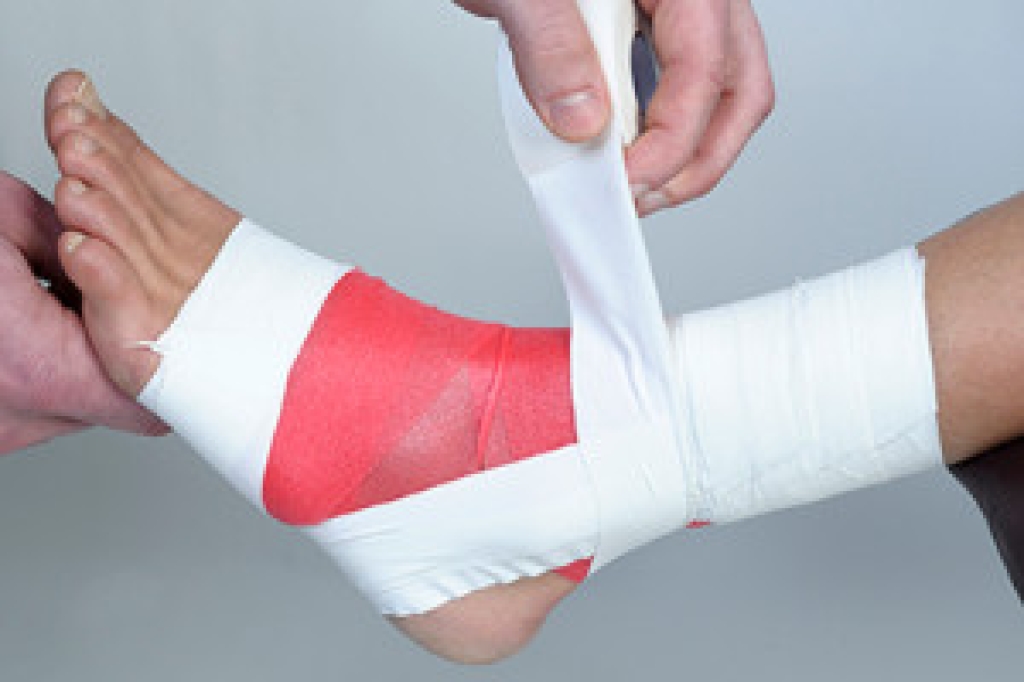
It can sometimes be difficult to distinguish between an ankle sprain and a broken or fractured ankle. A sprain occurs when the ligaments in the ankle are overstretched or torn, while a fracture occurs when a bone in the ankle is broken. Both injuries can cause pain, swelling, bruising, and tenderness in the affected ankle, although an ankle fracture is usually more painful than a sprain. Those who have sprained their ankle may feel a popping sensation at the time of injury and experience ankle instability and a reduced range of motion. Those who have broken their ankle can have trouble bearing weight on the foot and may notice a visible deformity in the ankle, especially in cases where the ankle is also dislocated. If you have symptoms of an ankle sprain or an ankle fracture, it is strongly suggested that you see a podiatrist, who can diagnose and treat your condition. 

Broken ankles need immediate treatment. If you are seeking treatment, contact Gerald Erskine, DPM from Seneca Family Footcare. Our doctor can provide the care you need to keep you pain-free and on your feet. 

Broken Ankles
A broken ankle is experienced when a person fractures their tibia or fibula in the lower leg and ankle area. Both of these bones are attached at the bottom of the leg and combine to form what we know to be our ankle.

When a physician is referring to a break of the ankle, he or she is usually referring to a break in the area where the tibia and fibula are joined to create our ankle joint. Ankles are more prone to fractures because the ankle is an area that suffers a lot of pressure and stress. There are some obvious signs when a person experiences a fractured ankle, and the following symptoms may be present.

Symptoms of a Fractured Ankle

  • Excessive pain when the area is touched or when any pressure is placed on the ankle
  • Swelling around the area
  • Bruising of the area
  • Area appears to be deformed

If you suspect an ankle fracture, it is recommended to seek treatment as soon as possible. The sooner you have your podiatrist diagnose the fracture, the quicker you’ll be on the way towards recovery.

If you have any questions, please feel free to contact our office located in Ronceverte, WV . We offer the newest diagnostic and treatment technologies for all your foot care needs.

Read more about Broken Ankle Causes, Differences, Symptoms and Treatments

Advanced Treatment for Ingrown Toenails

Surgical treatment for ingrown toenails focuses on relieving pain, reducing infection, and preventing the nail from growing into the skin again. When the side of a toenail digs into the skin, it can cause redness, swelling, and tenderness. If left untreated, the area can become infected and make walking uncomfortable. For more severe or recurring cases, a podiatrist can perform one of several surgical procedures in which a small part of the toenail or the skin around it is carefully removed to stop the edge of the nail from digging into the toe. This helps the nail grow straight and prevents it from cutting into the skin again. The procedure is done under local anesthesia, and healing usually occurs within a few weeks. A podiatrist can determine which approach will provide lasting relief and promote healthy nail growth. If you have a painful or recurring ingrown toenail, it is suggested that you make an appointment with a podiatrist for a diagnosis and treatment.

Ingrown toenails can become painful if they are not treated properly. For more information about ingrown toenails, contact Gerald Erskine, DPM of Seneca Family Footcare. Our doctor can provide the care you need to keep you pain-free and on your feet.

Ingrown Toenails

Ingrown toenails occur when a toenail grows sideways into the bed of the nail, causing pain, swelling, and possibly infection.

Causes

  • Bacterial infections
  • Improper nail cutting such as cutting it too short or not straight across
  • Trauma to the toe, such as stubbing, which causes the nail to grow back irregularly
  • Ill-fitting shoes that bunch the toes too close together
  • Genetic predisposition

Prevention

Wearing proper fitting shoes and using proper cutting techniques will also help decrease your risk of developing ingrown toenails.

Treatment

Ingrown toenails are a very treatable foot condition. In minor cases, soaking the affected area in salt or antibacterial soaps will not only help with the ingrown nail itself, but also help prevent any infections from occurring. In more severe cases, surgery is an option. In either case, speaking to your podiatrist about this condition will help you get a better understanding of specific treatment options that are right for you.

If you have any questions, please feel free to contact our office located in Ronceverte, WV . We offer the newest diagnostic and treatment technologies for all your foot care needs.

Read more about Ingrown Toenail Care

Connect With Us

scroll to top